Our Focus Areas | Robotics & Artificial Intelligence
Technology That Expands the Capacity to Serve
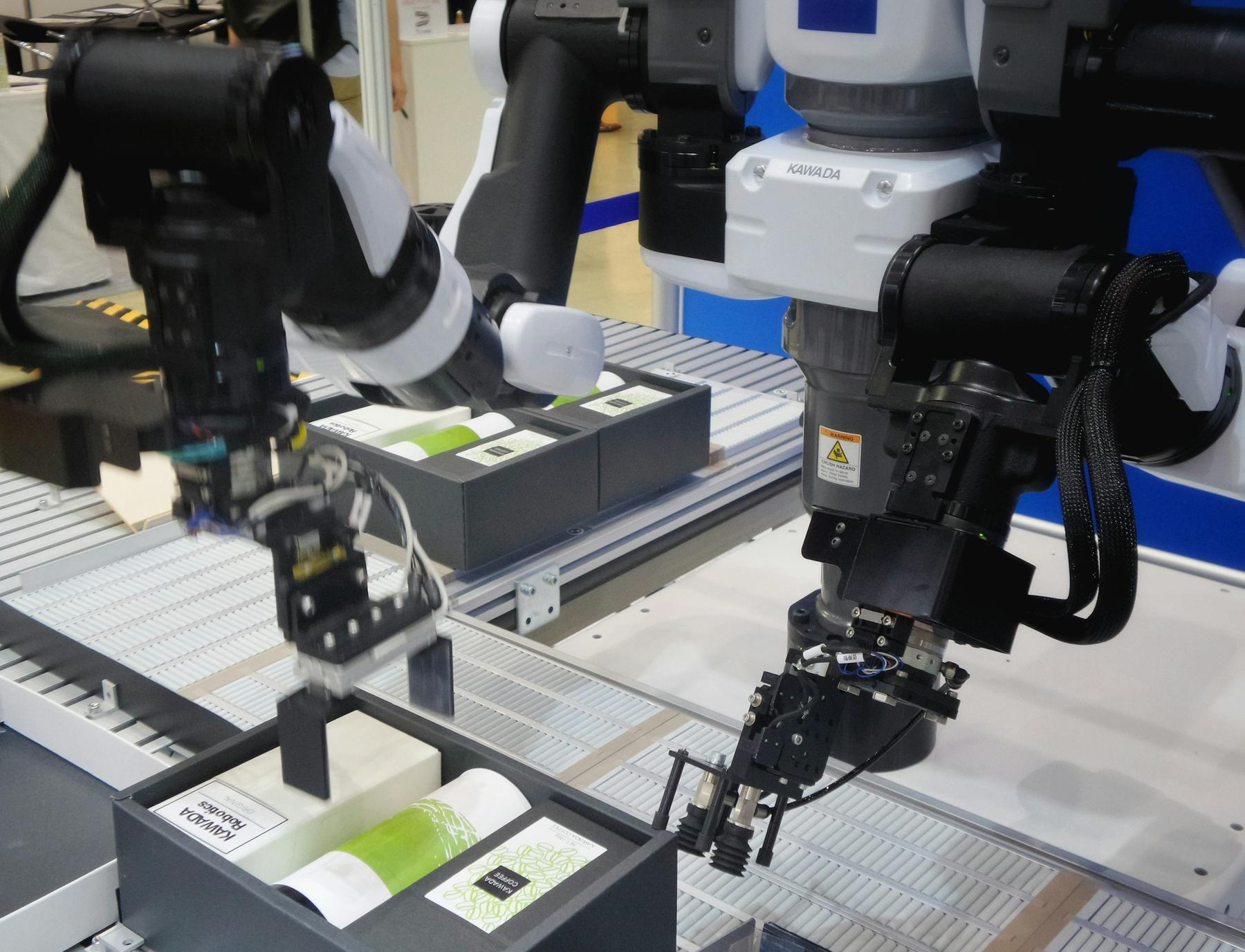
Automation, robotics, sensors, digital systems, data tools, and applied AI for institutional and industrial needs. Useful, understandable technology that supports people in their work, with human oversight and performance assessed against the actual task.
Systems design, software development, sensors, pilot testing, interoperability, and training. Each solution is evaluated for usefulness, accuracy, safety, and its ability to function in its actual operating environment.
Select a layer to read what it contributes.
People
Pilot testing, training, and human oversight
Pilot testing
Training and adoption
Human oversight
Solutions are tested with the people who will use them, and each institution keeps the controls and responsibilities it defines.
Intelligence
Data tools and applied AI
Data tools and dashboards
Applied AI
Decision support
Information is organized and analyzed to support a defined task, with results validated before anyone relies on them.
Integration
Systems design, software, and interoperability
Systems design
Software development
Interoperability
New tools connect with the systems and institutional processes already in place, rather than adding isolated technology.
Physical
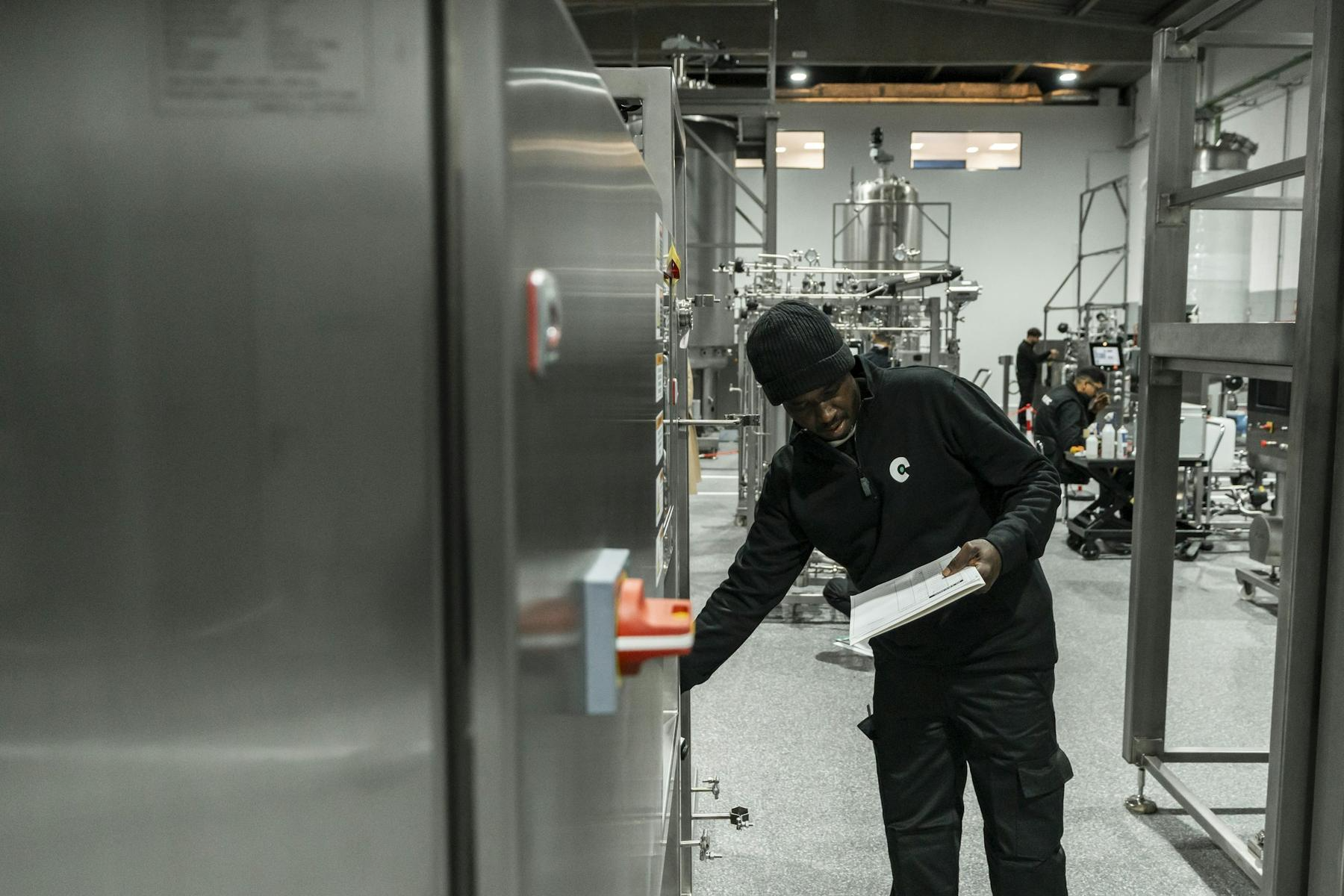
Automation, robotics, sensors, and instrumentation
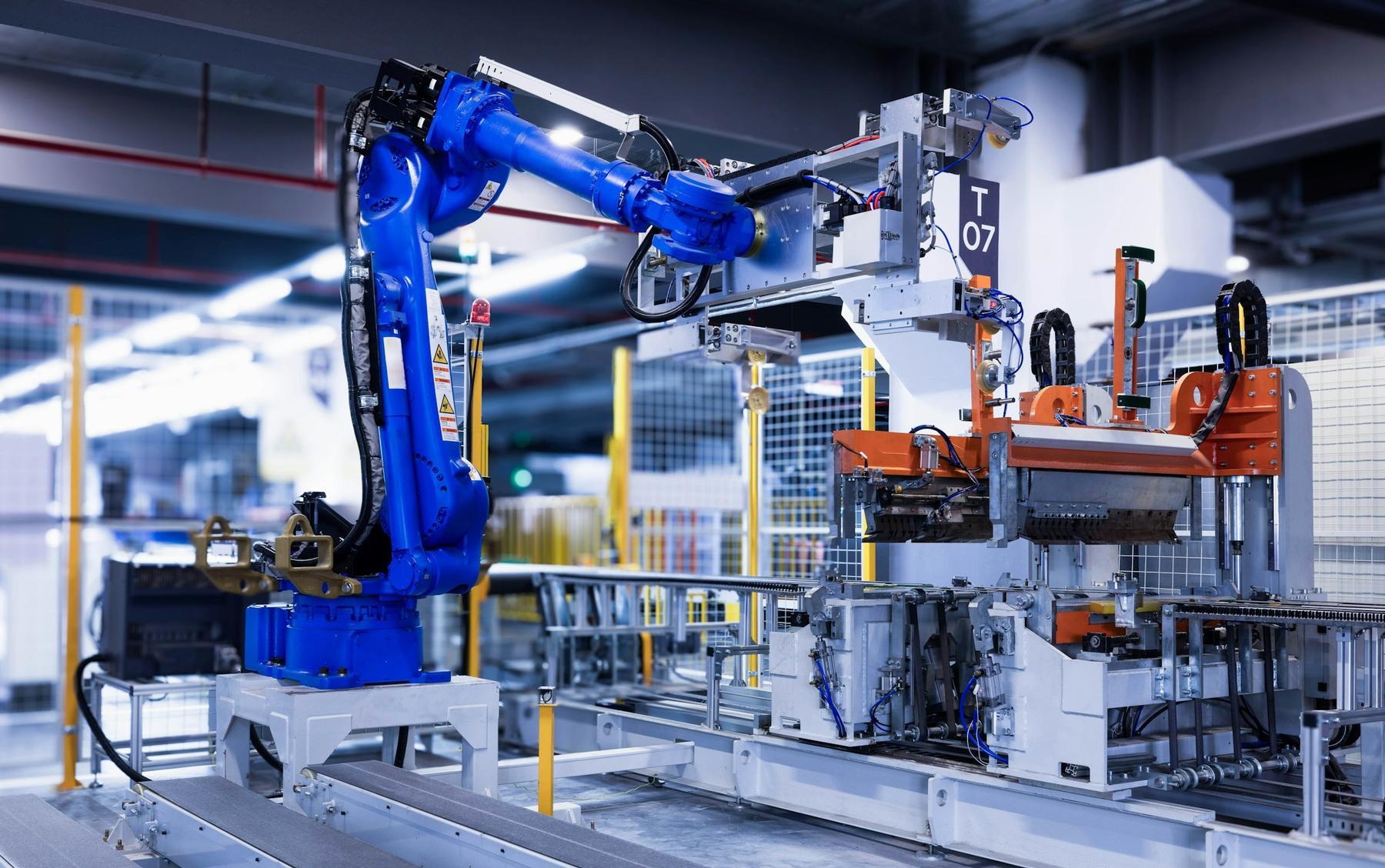
Automation and robotics
Sensors and instrumentation
Monitoring and control
Machines and instruments act on, and measure, the real operating environment, with safeguards defined by qualified specialists.
Applications
How an Application Actually Works
Every application follows the same discipline: a defined input, a system that does one job well, a person who checks the result, an action, and a measure. Choose an application to follow it step by step.
Sensor readings and images from equipment or products
System
Readings compared against defined limits; anomalies flagged
Human checkpoint
An inspector confirms or dismisses each flagged item
Action
Confirmed issues logged and assigned for corrective work
Measure
Validated accuracy · safety incidents
Inspection queue
Sample data
B-201
Within limits
Logged
B-202
Outside limit
Human review
B-203
Within limits
Logged
B-204
Pending
Queued
Illustrative interface. Not a product, and not results.
Supports
Energy
Mining
Manufacturing
Bronze marks the point where a person reviews, decides, or intervenes.
Predictive maintenance
Input
Equipment condition data over time
System
Trends analyzed to flag gradual deterioration
Human checkpoint
The maintenance lead decides whether and when to intervene
Action
Maintenance planned before a failure interrupts service
Measure
Availability · incidents
Pump P-3 · condition trend
Sample data
Illustrative trend / forecast; requires human review.
P-3
Rising toward threshold
Lead decides
P-4
Stable
Monitor
Illustrative interface. Not a product, and not results.
Supports
Energy
Mining
Manufacturing
Bronze marks the point where a person reviews, decides, or intervenes.
Asset & inventory tracking
Input
Item identifiers, locations, and movements
System
Records kept current; discrepancies detected
Human checkpoint
Staff confirm counts where records and reality differ
Action
Visible stock and prompts to replenish
Measure
Validated accuracy · user adoption
Stock by location
Sample data
Blankets
120 recorded / 120 counted
Matched
Water filters
48 recorded / 41 counted
Confirm count
Bed linen sets
300 / 300
Matched
Illustrative interface. Not a product, and not results.
Supports
Food
Institutions
Logistics
Bronze marks the point where a person reviews, decides, or intervenes.
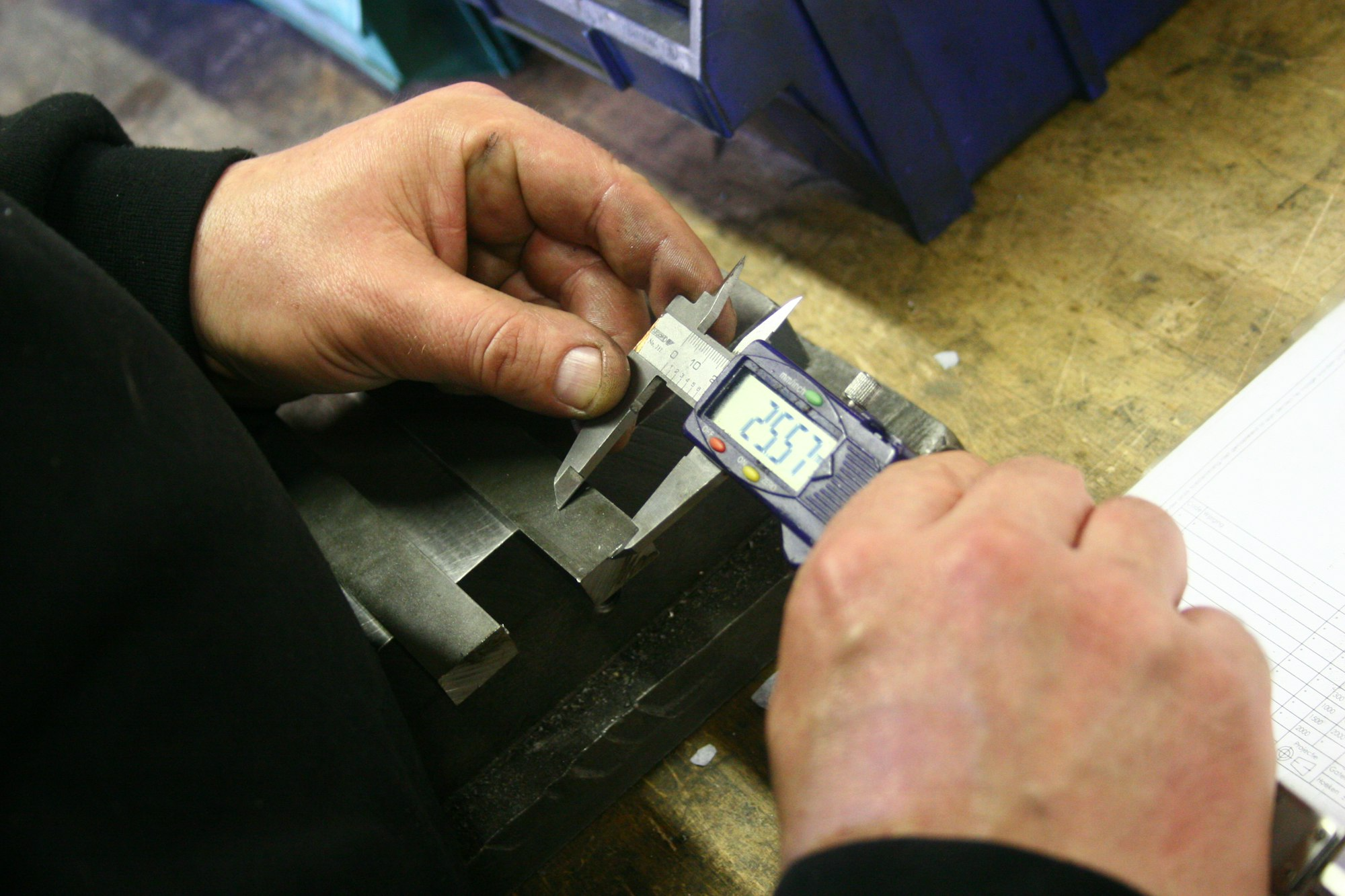
Quality checks
Input
Measurements of products or batches
System
Automated comparison with the specification
Human checkpoint
Quality staff approve release or hold the batch
Action
Released, held, or returned for correction
Measure
Validated accuracy · processing time
Batch checks
Sample data
L-0815
Conforms
Release approved
L-0816
Deviation found
Held for review
L-0817
Conforms
Awaiting approval
Illustrative interface. Not a product, and not results.
Supports
Manufacturing
Food
Textiles
Bronze marks the point where a person reviews, decides, or intervenes.
Demand analysis
Input
Historical consumption and program information
System
Data tools estimate likely demand, with stated assumptions
Human checkpoint
Planners review the assumptions and approve the plan
Action
Supply and purchasing planned ahead
Measure
Validated accuracy · user adoption
Monthly demand · program
Sample data
Illustrative trend / forecast; requires human review.
Historical demand
Observed pattern
Recorded
Estimated demand
Range, not certainty
Requires review
Illustrative interface. Not a product, and not results.
Supports
Food
Energy
Institutions
Bronze marks the point where a person reviews, decides, or intervenes.
Automation of repetitive tasks
Input
A defined, repetitive step in a process
System
Robotic or software automation within safe operating limits
Human checkpoint
Operators supervise and handle every exception
Action
The task performed consistently, freeing time for skilled work
Measure
Processing time · availability · safety incidents
Task runs · today
Sample data
R-31
Sort and label
Completed
R-32
Sort and label
Exception · operator
R-33
Sort and label
Completed
Illustrative interface. Not a product, and not results.
Supports
Manufacturing
Logistics
Institutions
Bronze marks the point where a person reviews, decides, or intervenes.
Decision support
Input
The information relevant to a defined decision
System
Options and their trade-offs organized for review
Human checkpoint
The responsible person decides; high-impact decisions stay with people
Action
A documented decision, with its rationale
Measure
Effectiveness of human controls · user adoption
Prepared for review
Sample data
Option A
Lower upfront cost
Higher maintenance
Option B
Higher upfront cost
Longer service life
Decision
Responsible person
Rationale recorded
Illustrative interface. Not a product, and not results.
Supports
Institutions
Energy
Food
Bronze marks the point where a person reviews, decides, or intervenes.
Project monitoring dashboards
Input
Milestones, deliveries, and agreed indicators
System
Progress brought together in one view
Human checkpoint
Project owners validate the data before it is reported
Action
Timely, accurate reporting to the institution
Measure
User adoption · reporting accuracy
Project milestones
Sample data
Specifications approved
100% sample
Validated
Deliveries accepted
60% sample
Validate before reporting
Training completed
25% sample
Validate before reporting
Illustrative interface. Not a product, and not results.
Supports
Institutions
All focus areas
Bronze marks the point where a person reviews, decides, or intervenes.
Validation
Nothing Goes Live Untested
Technology is evaluated in proportion to its risk before deployment, with clear responsibilities during use and the ability to intervene when performance or safety is uncertain.
System owners can suspend an application when its risk is no longer acceptable or its approved purpose has changed.
Approved configuration and its limitations recorded
Users trained
Material errors and incidents monitored
Changes to models, software, data, or conditions reviewed before continued use
Human oversight
Automation Supports People. It Does Not Replace Their Judgment.
High-impact decisions remain subject to the controls and responsibilities defined for each institution, with meaningful human oversight and a practical route for review.
Systems can
Repeat defined tasks consistently
Track assets, inventory, and movements
Monitor conditions and flag anomalies
Organize information and options for review
Prepare dashboards and records
People remain responsible for
Make high-impact decisions
Validate results before they are relied on
Approve configurations and changes
Intervene when performance or safety is uncertain
Suspend an application when its risk is no longer acceptable
AI-generated content is not presented as verified evidence, a professional judgment, or an established fact without the necessary validation.
An unvalidated autonomous function is never introduced into a hazardous or safety-critical task.
Robotics & operational safety
Assessed Where It Will Work
Robotic systems are assessed in the environment where they will operate, including their interactions with people, other equipment, and institutional processes.
Safeguards and safe operating limits defined by qualified specialists
Training, maintenance, and emergency arrangements in place
Integration that does not compromise existing safety systems
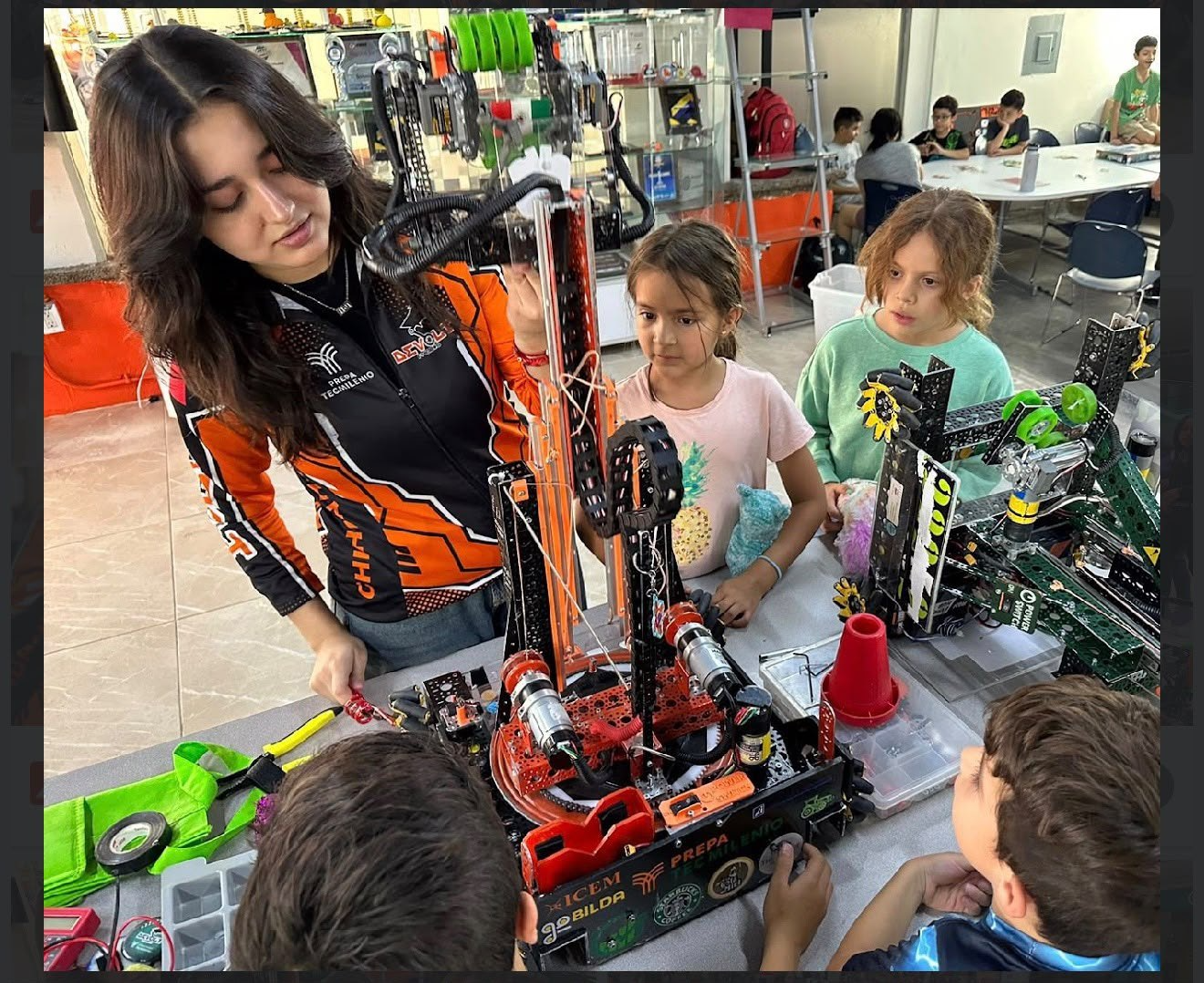
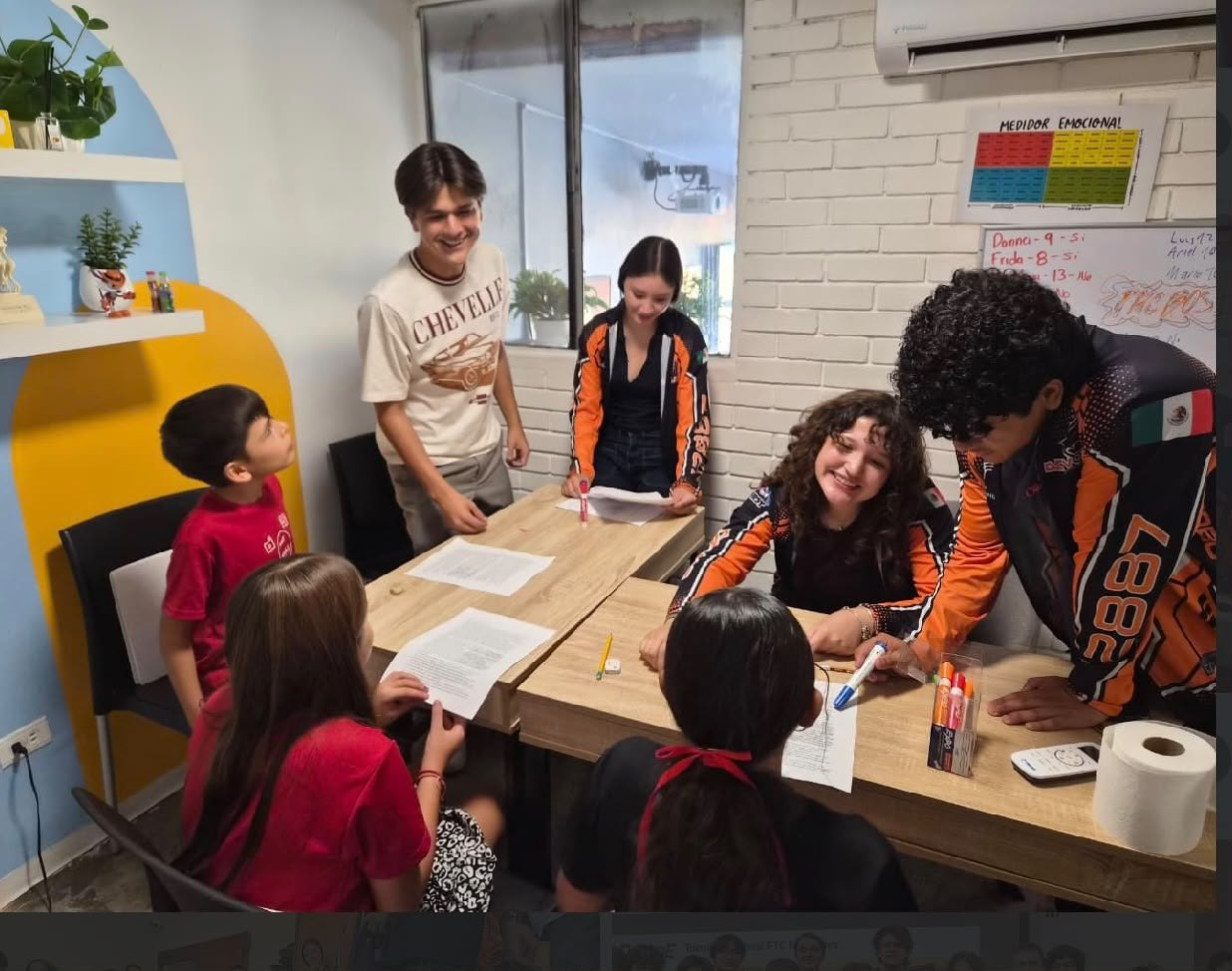
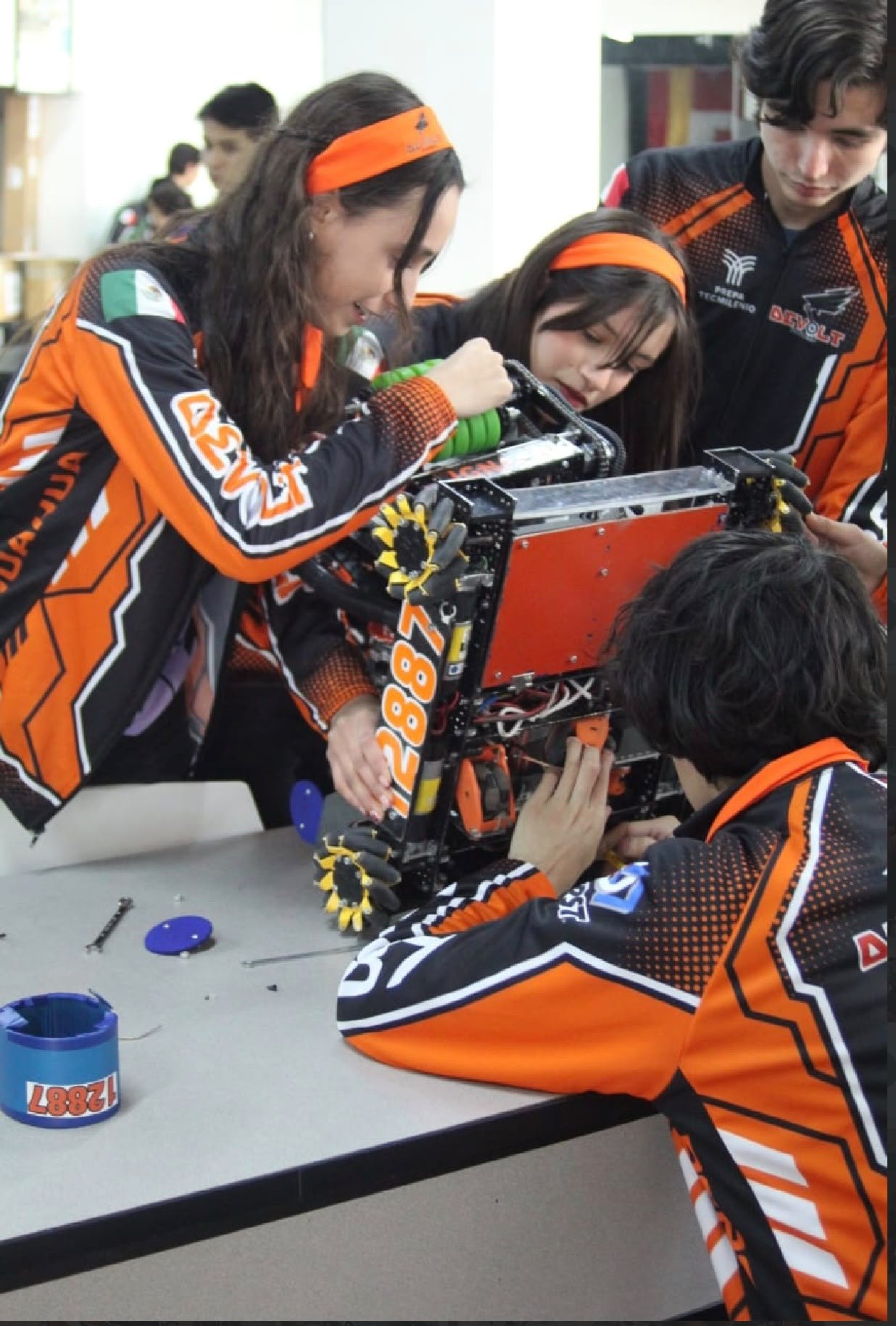
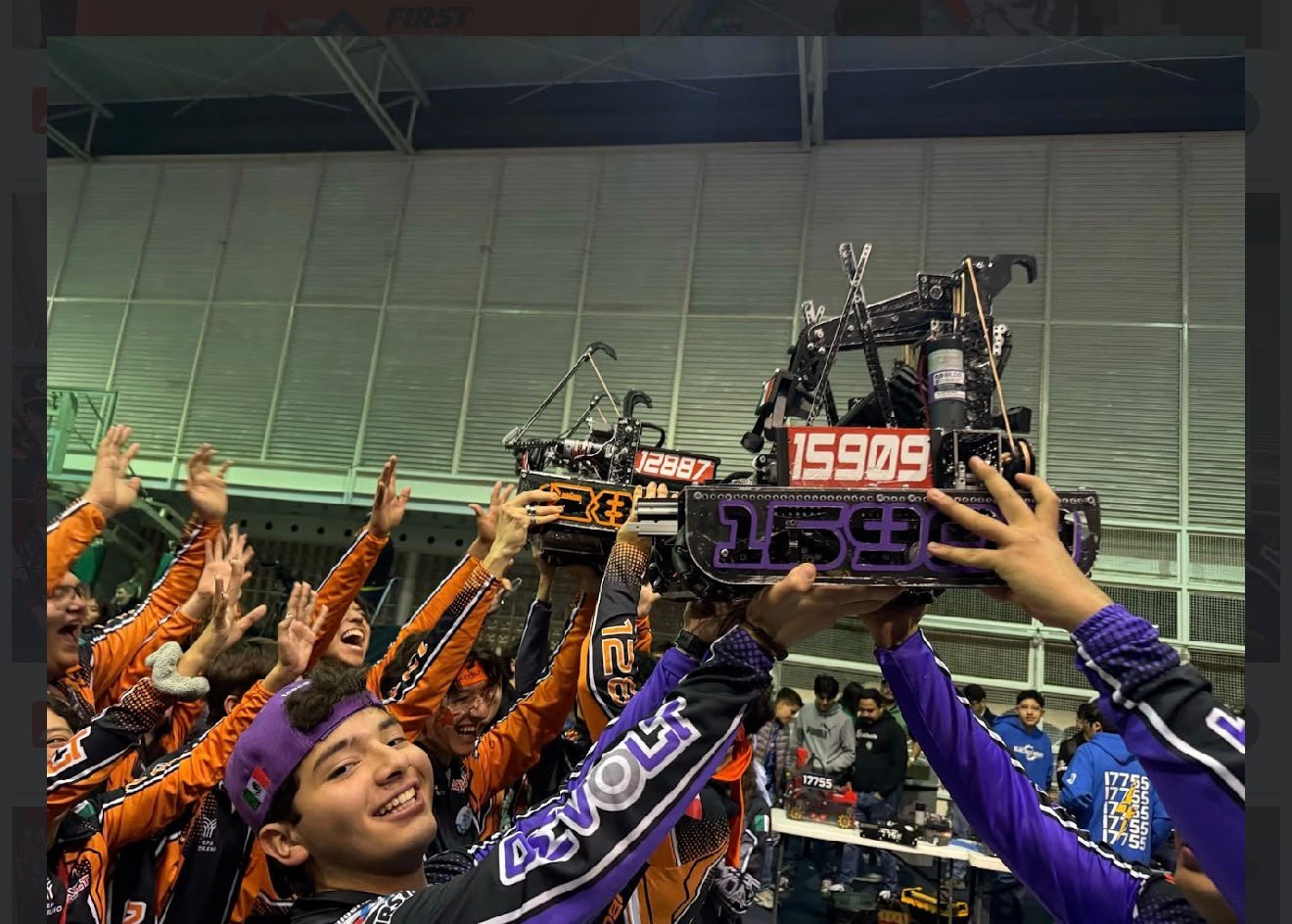
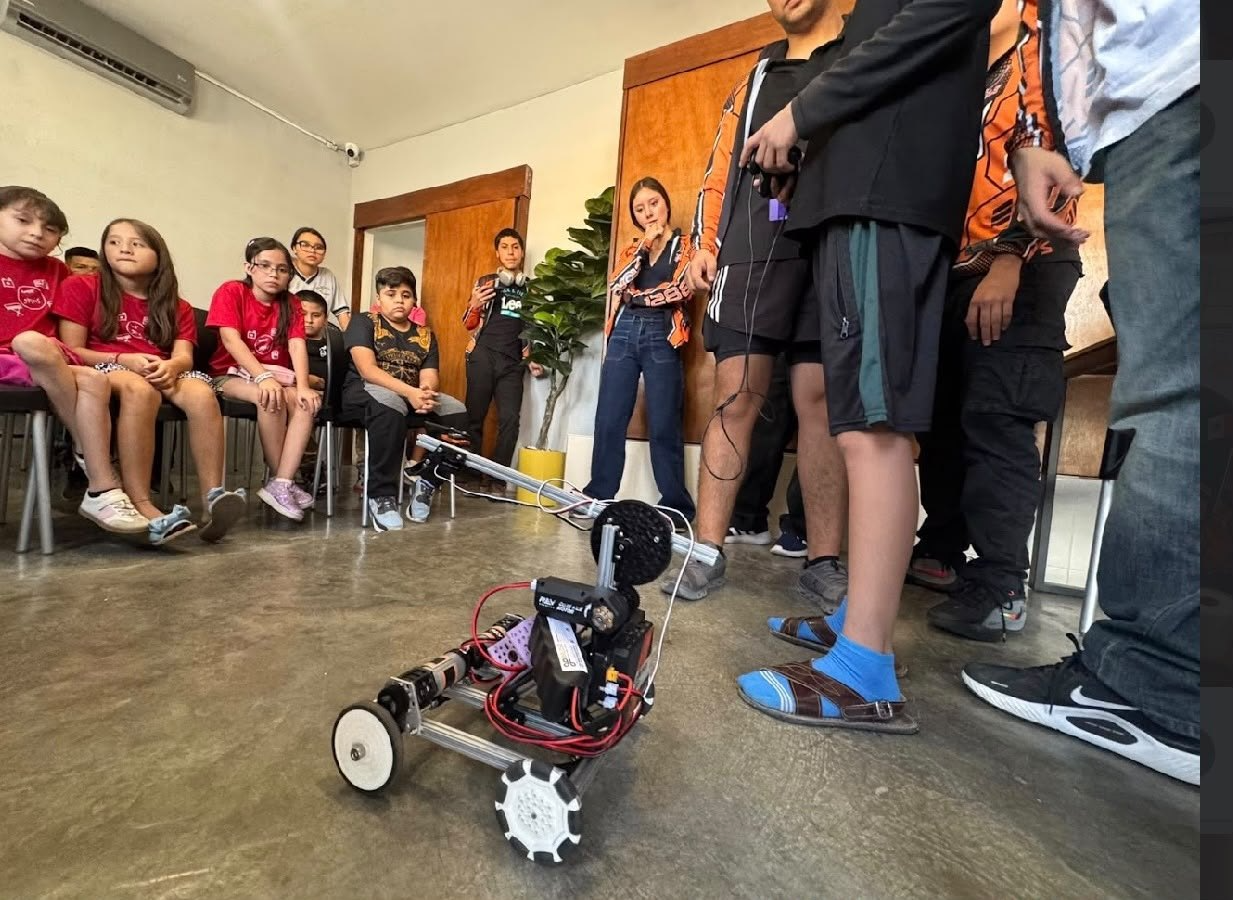
Aventra GV sponsors and supports children and young people as they learn science, technology, engineering, arts, and mathematics through robotics, from hands-on workshops to robotics competitions.
01
Learn by building
Designing, building, programming, and testing a robot turns science and mathematics into something young people can see work.
02
Compete as a team
Competitions ask teams to solve a defined challenge under real constraints: time, rules, and the need to rely on each other.
03
Pass it on
Older students share what they have learned with younger children, so curiosity grows into skills that stay in the community.
Digital responsibility
Information Protected by Design
Privacy, access controls, traceability, and human oversight. Controls are proportionate to the systems, information, and operational risks involved.
Controls that may apply
Role-based access
Multifactor authentication
Secure configuration
Encryption
Updates
Tested backups
Logging
Supplier review
Timely removal of access
Technology is never used for
Unlawful surveillance
Discriminatory exclusion
Deception
Unauthorized access
Third-party AI tools
Vendor terms on confidentiality, retention, data reuse, and model training are reviewed before any sensitive information is shared. Sensitive technical or client information is not placed in unapproved tools.
Across our focus areas
Useful Technology, Measured Against the Task
Robotics and AI support manufacturing, food, energy, and mining processes. Targets are set for each project against a baseline; these indicators guide evaluation and are not results already achieved.
All Other Miscellaneous General Purpose Machinery Manufacturing
Machinery and equipment associated with automation.
334513
Instruments and Related Products Manufacturing for Measuring, Displaying, and Controlling Industrial Process Variables
Sensors and instrumentation for monitoring and control.
513210
Software Publishers
Software products and platforms.
518210
Computing Infrastructure Providers, Data Processing, Web Hosting, and Related Services
Digital infrastructure and information-processing services.
541511
Custom Computer Programming Services
Development of custom applications and AI solutions.
541512
Computer Systems Design Services
Digital systems integration and interoperability.
541330
Engineering Services
Solution design and technical integration.
541715
Research and Development in the Physical, Engineering, and Life Sciences (except Nanotechnology and Biotechnology)
Applied research and technology validation.
These codes describe activities associated with our areas of specialization. Their inclusion does not constitute certification, supplier registration, or a claim that all activities are performed directly by Aventra GV. All industry classifications All industry classifications.
Start With the Task, Not the Technology.
Describe the work, the people involved, and what a good result looks like. We will help decide whether automation or AI is the right answer, and how it should be validated.